


Data center infrastructure deals are now routinely exceeding $10 billion, with the largest reaching as high as $40 billion. This enormous scale has pushed the insurance industry into a state of “stress”...
According to CNBC, the massive wave of investment in AI data centers is reshaping global financial markets, as Big Tech increasingly relies on private capital and complex financing structures. Projects worth tens of billions of dollars are not only creating new opportunities but also posing unprecedented challenges for the insurance industry—from asset concentration risks and supply chain disruptions to underlying instabilities in financing models.
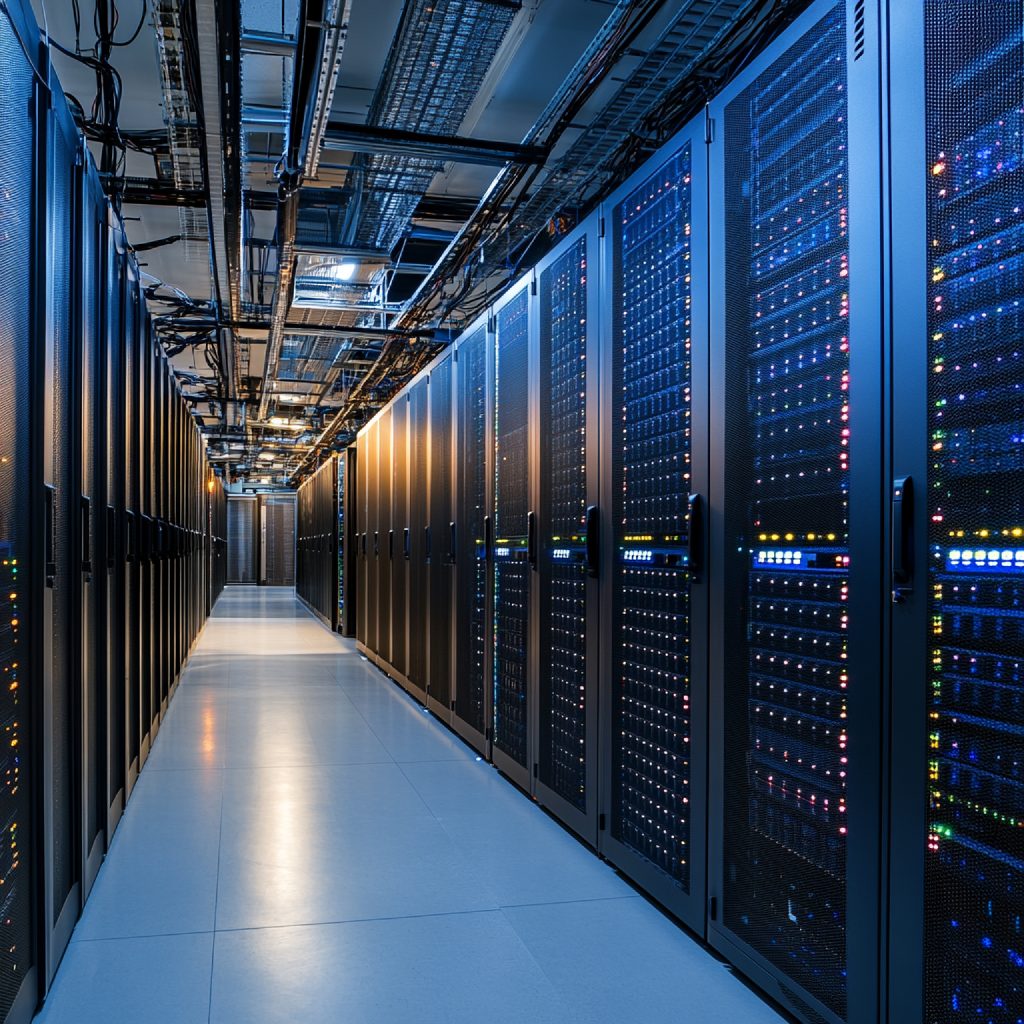
TRILLIONS OF DOLLARS FLOW INTO AI DATA CENTERS
The artificial intelligence boom is driving a massive wave of investment into data center infrastructure worldwide. According to estimates by McKinsey & Company, total spending on data centers could reach $7 trillion by 2030, making it one of the largest peacetime investment programs in human history.
However, this investment cycle differs significantly in its financial structure. In the past, hyperscalers—large technology corporations—could fund most projects themselves. Today, the scale of capital required has far exceeded their balance sheet capacity. As a result, tech companies are increasingly relying on private equity, private credit, and debt financing to build data centers.
In practice, private data center infrastructure deals over the past year have frequently exceeded $10 billion, according to Preqin. Notably, the largest deal reached $40 billion, involving a consortium of Nvidia, Microsoft, BlackRock, and Elon Musk’s AI company xAI in the acquisition of Aligned Data Centers.
This enormous scale has placed the insurance industry under significant stress. According to Tom Harper of Gallagher, concentrating between $10 billion and $20 billion of assets in a single location creates substantial pressure on the market’s insurance capacity.
Historically, data center projects were considered “high-quality risks” due to advanced construction standards and modern technology. However, as project sizes surge, insurers are finding it increasingly difficult to allocate coverage for such highly concentrated, high-value assets.
While insuring a $20 billion data center campus was nearly impossible in 2023, by 2026 it has become a regular topic of discussion across the industry. This rapid shift reflects both the explosive growth of the AI market and the mounting pressure on insurers to adapt.
COMPLEXITY IN RISK ASSESSMENT OF AI DATA CENTERS

Beyond sheer scale, the nature of AI data centers makes risk assessment far more complex. These facilities combine real estate and advanced technology assets, from power systems and cooling infrastructure to cutting-edge processing chips.
According to Harper, these centers are attractive to insurers due to their “frontier technologies” and high construction standards. However, the key risk lies in value concentration: a multi-billion-dollar facility located in a region prone to storms or strong winds can lead to sharply higher insurance costs.
Supply chains also pose significant risks. Operators often import high-value equipment from overseas and temporarily store it in facilities they neither own nor operate, creating potential gaps in liability and insurance coverage.
From a financial perspective, a larger concern is the rise of complex and opaque financing structures. Rajat Rana of Quinn Emanuel Urquhart & Sullivan notes that the evolution of AI data center financing evokes a sense of “déjà vu,” reminiscent of the period leading up to the 2008 financial crisis.
According to Rana, trillions of dollars are being funneled into projects using off-balance-sheet structures, reducing transparency. This increases risk for downstream investors such as pension funds, insurance companies, and asset managers, who may not fully understand the level of risk concentration.
These concerns are not merely theoretical. Earlier this year, four U.S. senators called for an investigation into the use of complex and opaque debt markets by tech companies to raise massive capital. They warned that excessive debt burdens could trigger systemic losses and destabilize the broader economy.
Meanwhile, the surge in mergers and acquisitions (M&A) in the data center sector is overwhelming law firms and professional service providers. Companies are increasingly required to build specialized teams that integrate expertise across real estate, energy, telecommunications, finance, insurance, and cybersecurity.
Consulting firm Marsh McLennan has established a dedicated digital infrastructure advisory group and launched specialized insurance products such as Nimbus—a multi-billion-dollar insurance facility supporting data center construction in Europe.
THE “GPU DEBT SPIRAL” AND LONG-TERM BALANCE CHALLENGES
One of the most critical debates today centers on the mismatch between asset lifecycles and financial structures in AI data centers.
While data centers can operate for decades, the average lifecycle of GPUs—their core component—is only about seven years. This discrepancy poses a major challenge for both lenders and insurers.
CoreWeave has emerged as a pioneer by using GPUs as collateral for financing. Recently, the company announced it had successfully raised $8.5 billion in an investment-grade deal, highlighting the strong appeal of this new financial model.
However, Rana describes this as the “GPU debt spiral”—a concept referring to the constant pressure to upgrade technology. As new chip generations emerge, data centers must continually invest and borrow more to remain competitive. This creates a recurring financial cycle, with the risk of shifting from equity concerns to credit risk.
From a lending perspective, financial institutions are becoming more cautious. As Alex Wolfson points out, a fundamental principle of project finance is that asset lifespans should significantly exceed loan tenors. The nature of GPUs is now challenging this principle.
To mitigate risks, lenders are designing stricter loan structures, while insurers are developing more tailored contracts, including innovative asset valuation mechanisms.
That said, not all perspectives are pessimistic. Some firms, such as Gallagher, argue that GPU lifecycles are gradually extending, while new data centers are increasingly modular in design, allowing for easier upgrades and equipment replacement.
Additionally, financial innovations such as asset securitization and commercial mortgage-backed securities are opening new capital channels, helping sustain market growth.
Nevertheless, as Rana emphasizes, whether the market achieves a “soft landing” or not, legal disputes are almost inevitable. Disagreements over asset valuation, lease agreements, and financial structures have already begun to emerge—and may only mark the beginning of a new adjustment cycle.
(Source: vneconomy.vn)