


Servers

Servers are high-performance computer systems that deliver applications, services, and data to user endpoints. In a data center, servers come in many forms, including:
Rack-mount servers
Blade servers – also known as high-density servers
Mainframes
Choosing the right server type depends on many factors such as data center space, workload, available power, and investment costs.
Storage system
There are two main types of data center storage systems:
Block storage: Uses HDD or SSD to store data in blocks. Devices such as storage area networks (SANs) contain multiple drives and act as large centralized storage systems.
File storage: Network-Attached Storage (NAS) devices allow for the storage of large amounts of files, often used to store images, videos, and documents.
Network infrastructure
The network in the data center consists of switches, routers, and fiber optic cabling. This system handles:
East-West traffic: Data exchange between servers
North-South traffic: Data transmitted from server to user and vice versa
Today, many data centers adopt network virtualization technology, which enables the construction of flexible software-based overlay networks, supports better security controls, and meets service level agreements (SLAs).
Power and cable management
Power Supply: Servers are typically equipped with dual power supplies. Uninterruptible Power Supplies (UPS) keep things running during short power outages, while high-capacity generators can step in for more serious problems.
Cable Management: Dense cabling can cause cross-talk and heat generation, affecting performance and safety. Proper cable management and compliance with industry standards are imperative when designing and expanding a data center.
Disaster and Recovery
Data centers need to be able to recover quickly to avoid losses due to disruptions. Solutions include:
RAID (redundant array array) to minimize the risk of data loss
Redundant cooling system to maintain server temperature when the main system fails
Geographically dispersed locations: Many providers build data centers in different regions, ensuring flexible service switching in the event of natural disasters or political incidents.
Environmental control
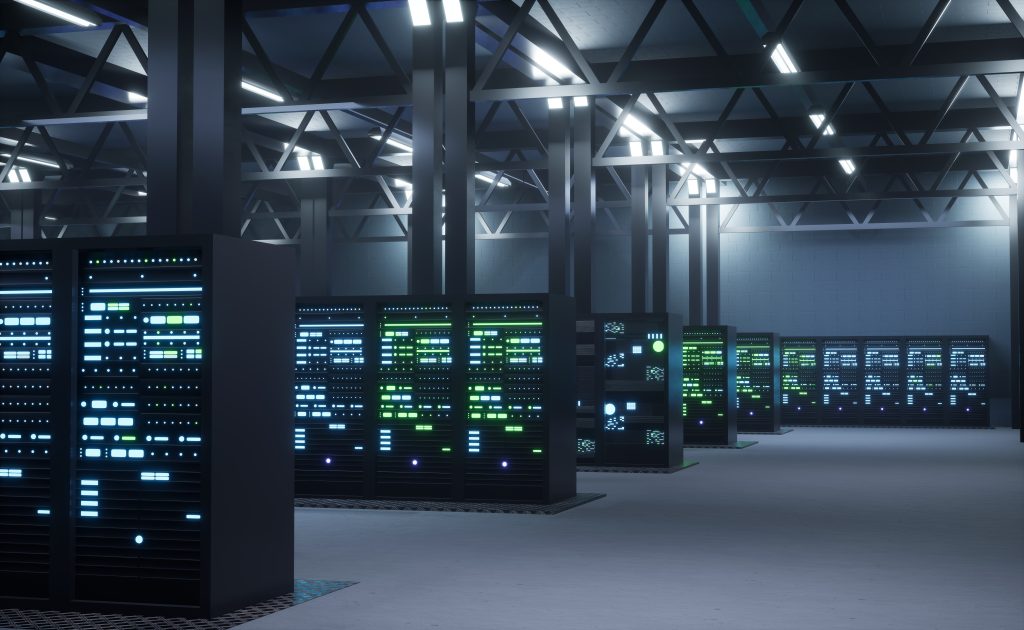
Protecting hardware from environmental impact is a vital task for data centers:
Temperature: Combination of air conditioning (CRAC) and liquid cooling systems, with liquid cooling technology being preferred due to its higher energy efficiency and sustainability.
Humidity: Adequate humidity levels must be maintained to avoid rust or electrostatic discharge. Ventilation systems, humidity sensors and CRAC devices are effective control tools.
Static Electricity: Even a small voltage can damage equipment. Therefore, data centers are equipped with electrostatic discharge and monitoring systems.
Fire prevention: The fire detection and suppression system is an indispensable component and must be periodically inspected.
Conclude
Data centers play an essential role not only for businesses but also for the digital development of the whole country. Many countries around the world have been investing in building national data centers to serve the goal of digital transformation.
In Vietnam, the construction of modern data centers is an urgent need, contributing significantly to the implementation of e-Government and Digital Government.