


In an era where data is the backbone of every organization, a data center failure is not just a technical problem but also entails financial, reputational and information security consequences. A data center outage of even a few minutes can cause the entire e-commerce system to stop, banks to be unable to process transactions, or government systems to lose connectivity, causing serious and widespread impacts. Therefore, identifying the cause and proactively developing preventive solutions is a key factor for any unit that owns or uses data center infrastructure.
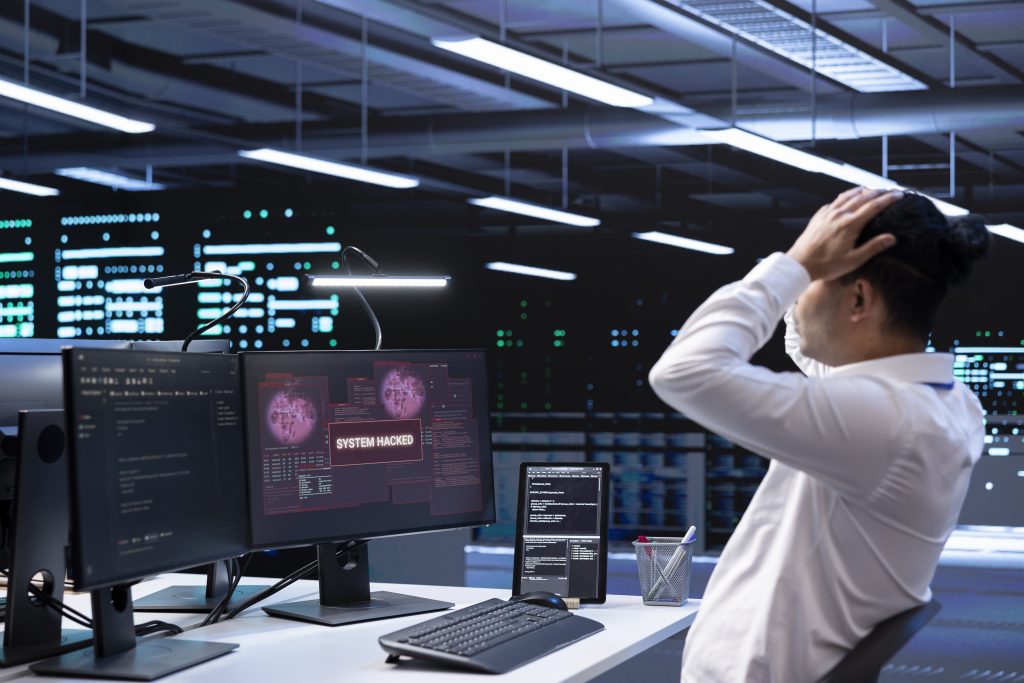
One of the most common causes of data center failures is power outages. Although modern centers are equipped with redundant power systems such as UPSs (uninterruptible power supplies) and generators, if the switching process between sources is not optimally designed or equipment fails, the entire system can still go down. In fact, many major downtime incidents originate from UPSs not operating on time or generators not starting up in time. To minimize this risk, data centers need to invest in dual-redundancy power systems (N+1, 2N), periodically test generators, and develop a process for regular power switching testing under simulated real-world conditions.
Another cause is hardware failure. A failed hard drive, a network device such as a switch or router, or a damaged server power supply can cause service disruption if there is no quick replacement mechanism. In a Data Center environment, each device should be arranged in a modular model, easy to replace, and have available redundancy so that when a component fails the system continues to operate without interruption. In addition, applying a hot-swap mechanism, using RAID to protect data, and having an active hardware monitoring system will help minimize this risk.
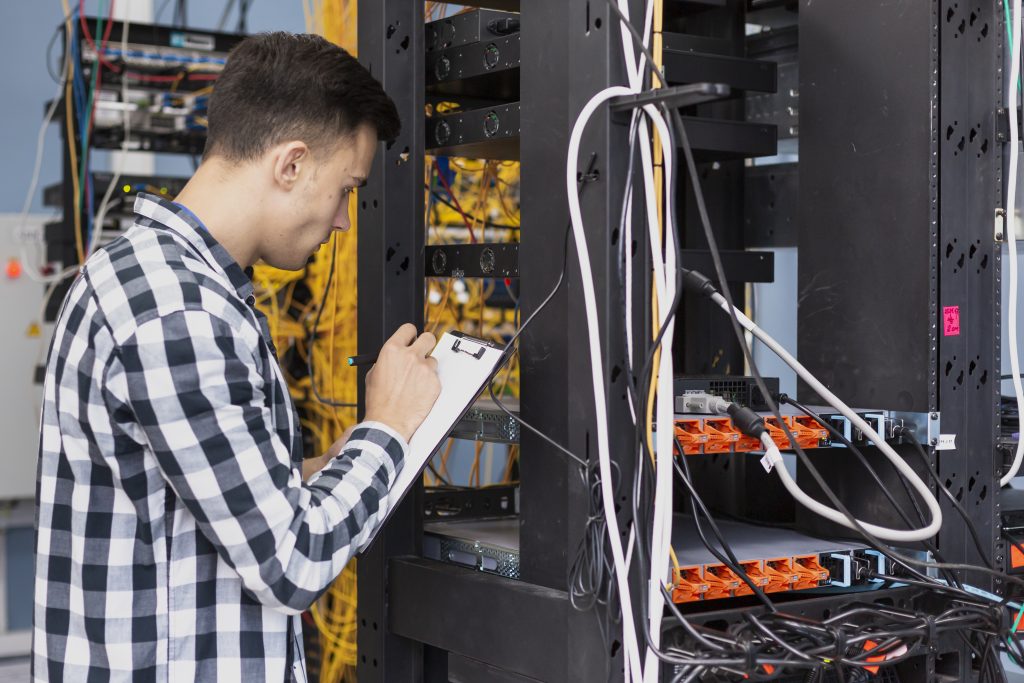
Network failures are also an underrated factor. A network outage, DNS error, or misconfigured routing can cause the system to be disconnected from users, even if the servers are still operating normally. To avoid this situation, data centers need to design their networks in a way that is reasonably fragmented, deploys multiple connection routes (multi-homing), has load balancing solutions, and uses intelligent routing systems with the ability to automatically redirect when errors occur.
In addition to technical factors, humans are also the main cause of serious incidents. Seemingly simple actions such as misconfiguring a firewall, updating the wrong patch, or accidentally turning off a switch can also cause the entire system to collapse. According to statistics from the Uptime Institute, more than 60% of Data Center incidents are due to human errors. The solution here lies not only in hiring the right people but also in continuous training, establishing a cross-checking process before making changes, applying a strict authorization mechanism, and most importantly, building a simulated environment (sandbox) to test all configurations before deploying them.
The software element cannot be ignored. Flaws in operating systems, data center management software, or virtualization orchestration applications (such as VMware, KVM, OpenStack) can all lead to system crashes. Even a faulty firmware update can disrupt the system for hours. Therefore, tight control of the software lifecycle – from testing and approval to deployment and rollback – is required. In addition, resource segmentation, running old and new versions in parallel during the transition period, and detailed rollback scenarios are necessary solutions.
The next challenge comes from cyber attacks. DDoS (denial of service) attacks, ransomware or zero-day exploits can all cause Data Centers to be disrupted, lose control or have their data encrypted. Preventive solutions cannot stop at firewalls or antivirus software. Modern data centers need to deploy intrusion detection systems (IDS/IPS), monitor abnormal behavior using AI/ML, encrypt data at rest and in transit, and most importantly, build a security model based on the Zero Trust philosophy - not trusting any agents, whether inside or outside the internal network.
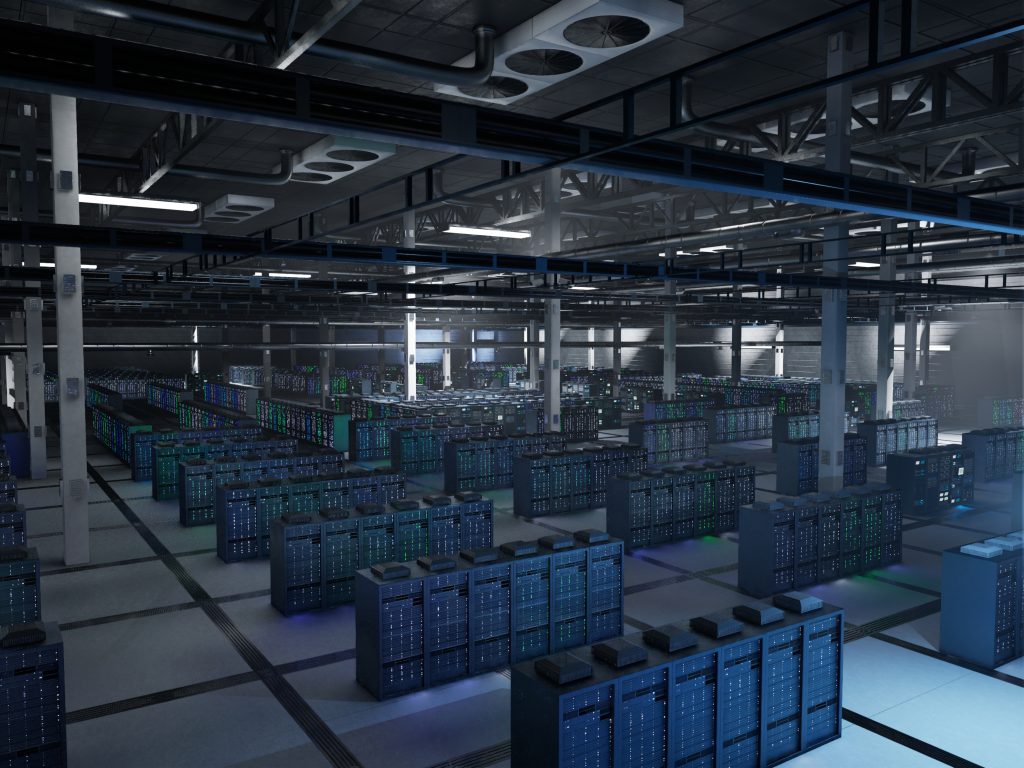
In addition, a cause that is rarely mentioned but has a serious impact is cooling system failure. When the equipment operates continuously at high intensity, sudden temperature increases will lead to automatic shutdown or component failure. A problem with the air conditioning system or chiller failure can cause the entire data center to be unable to operate. Therefore, the solution is to have a backup cooling system, design the airflow and arrange the rack cabinet reasonably, monitor the temperature by zone and connect the warning system to the 24/7 operation team.
Finally, many Data Center failures come from an inadequate initial infrastructure design. Too much load concentration on a single point, lack of distributed model, lack of load balancing and scalability can easily lead to overload, bottleneck or domino incidents when a component fails and the entire system collapses. The lesson here is to invest from the beginning in architectural design, using the microservices model, layering logic - data - application, combining on-premise and cloud (hybrid cloud) to increase flexibility and quick recovery.
In short, Data Center is the heart of the digital age. But this heart can stop beating at any time if it is not fully protected, from hardware, software to people and design. Preventing incidents is not simply fixing errors when they arise, but a process of building a sustainable foundation, based on the principle of "design for failure" - design to withstand errors, self-healing and continuous improvement. That is the only way for data centers to ensure availability, safety and efficiency in an era where data is gold.